
You can customize your home by building it from scratch. It can also be stressful, time-consuming, and difficult. We are here to help. Here are nine tips from experts to make the process painless and stress-free.
TABLE OF CONTENTS
- Find the perfect construction plot design ideas
- Designing your home
- House construction budgeting
- Budget allowance for additional costs
- Hire a contractor to build your home
- Construction agreement
- Be prepared for delays
- Make sure you have labor risk insurance
- Conclusion
You will find detailed answers to all the questions listed above in the following blog. You can click on a question to jump to it. However, we recommend that you read the whole blog to get a complete understanding of house construction and how to avoid costly delays.
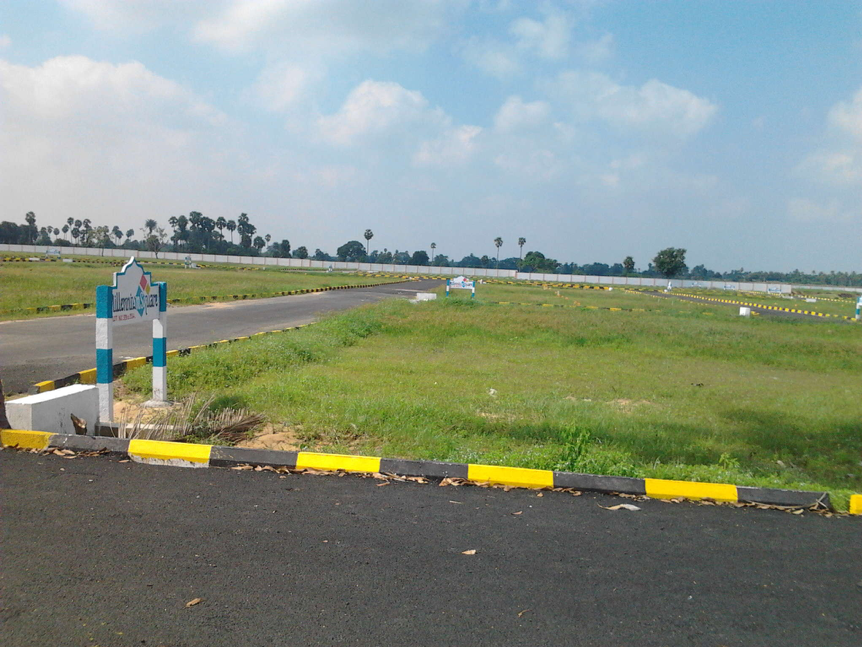
1. Find the perfect construction plot.
You should consider the location of the plot when choosing one. This will allow you to save money in the future.
Before you choose a plot, make sure it is within the allowed road width. The plot chosen should not be less than the road level, as this will increase the construction cost.
You should also ensure that you only purchase land with planning permission when searching for a plot.
Some plots can be sold without planning permission. These plots can be tempting as they are often less expensive than plots that have planning permission.
Planning permission can be stressful and time-consuming. It is better to purchase a plot with planning permission.
2. Design Ideas
You have now chosen your plot and taken it home. Now it’s time for you to start thinking about the design of your home. Discuss your needs with your family and take notes. What number of bedrooms do you need?
Do you plan to build a single floor, a duplex, or a multi-story so you can live in one home and rent out the rest? It all depends on what your budget is and your needs.
Once you have identified your needs, Pinterest has many design ideas that will suit your needs.
You can find tons of ideas online today. Pick a few that you like. Make a Pinterest board for each room in your home. How will each room be laid out? What size do you want each space to be?
This will help you to create a plan and also serve as a reference point for your architect or builder.
3. Designing your home
Once you have a list of your requirements and a plan idea, you can ask the architect or builder to design.
Tell them your requirements. Before you start construction, make sure to go through the design process. This will prevent costly mistakes later.
You can change the elevation of a room during the design phase. However, once it is built, you will need to rework the plan.
4. House construction budgeting
Get estimates from several building contractors to get an idea of the cost per square foot. Also, ask them about the costs for other items. This will help you estimate the budget for the construction of your home.
Add up the cost of items that are not included in this cost to calculate the budget.
Sump, septic tank, and compound wall are all extra costs, for example. Add the sump to your budget by calculating how many liters you’ll need.
5. Budget allowance for additional costs
For unforeseen circumstances, always add 10-15% to this cost.
These are just a few examples of how it can increase the cost.
- To meet your needs, you might consider upgrading the bathroom fittings or wiring, or plumbing material.
- Solar panels might be an option. These items will certainly cost more.
- Cost of building plan approval: If you don’t have the land approved, you will need to apply for approval from the government. Find out more about building approval.
- You can alter the land before construction begins if it is below the road level. Before you can begin construction, the soil must be filled. If there are many trees, haul in dirt and grade it or remove large rocks. Your expenses will go up.
Consider all the additional costs involved and determine if you are able to afford them. If not, you may need to borrow money for construction. You will need to apply for a loan from the bank.
Before proceeding, check with your bank to obtain a loan for housing. The civil score will determine whether the bank loan is available.
Most banks now offer loans for construction and land. Before you take any action, make sure to inquire.
6. Hire a contractor to build your home
- A building contractor is not necessary if you have previous knowledge and are able to manage the project.
- If you don’t have the time or expertise to manage a construction project, we recommend that you hire a contractor to handle it.
- These are some questions you should ask when interviewing potential building contractors.
-
- Ask him how much he charges per square foot.
- Ask about the material specifications and find out what is included and excluded from the price.
- Ask him about customizing the materials for construction. If so, what are the additional costs?
- Know who will supervise the work and when he will visit the site.
- Ask him how they maintain the high quality of their work.
- From the planning phase, you can understand their construction process.
- Ask him about his past projects and experience. Check out their past projects to see the quality of the construction.
- Ask him if they have an architect team in-house and, if so, what samples of their designs he has.
7. Construction agreement
- A construction agreement should be drawn up between you and your contractor. Before signing, ask him to clearly describe each detail.
- It should include a detailed plan, warranty, information about insurance, and details on costing, payment schedules, materials specifications, and payment stages.
- Be prepared for delays.
- Before signing the agreement, ask your contractor about any delays.
- Material unavailability, labor shortages, or natural calamities may cause delays.
8. Assure that you have insurance against labor risks
You should ensure that the contractor you choose offers insurance for laborers on the construction site.
Instant: A laborer who falls from a ladder on a construction site, and inflicts injuries to his legs or hips, will be covered by insurance. If the builder is insured, it will cover you. Otherwise, you’ll be responsible for the entire amount or, at most, 50% of the hospital expenses. Make sure that the contractor has insurance for the workers. It will cost you only 5000 to 6000 for a project.
9. Conclusion
These tips should help you get started with the construction process. The best way to make house construction easier is to hire the right experts and have a clear vision. We have uploaded a video about house construction tips.