
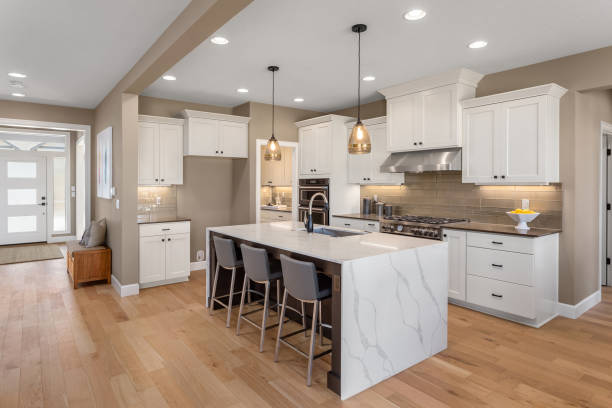
Planning a home remodel could be an overwhelming and daunting job. What should you know before making a remodel? In what way should you redesign the house? These and many other questions could be in your head and increase your stress. But, home renovations are a manageable task. If you break the project into smaller pieces, that will make the process simpler to handle. Here are some suggestions to help you plan for a successful renovation:
Determine your home’s remodeling needs.
Before starting your remodeling project, you should determine your requirements and make plans. Inventory what you must do to help your space work for you. The room might need an essential element, or your flow is a hassle and causes stress. Take note of what’s functioning and what isn’t working in your home. This can help you identify what you need to change.
Make your plans for the future.
Consider the next step:
- Consider how you’d like to see the space reflect your ideals for your home and what you would like to add shortly.
- Find the styles of design that suit your preferences.
- Find the elements you want to incorporate into this room(s).
- Make a file of pictures and concepts you’ve come up with to design the room(s).
Recognizing your needs and desires can be the first thing you do to set the scope of your project and create an effective remodel plan.
Make a realistic budget.
Once you’ve researched and have a solid idea of what you want to change about your home, create an achievable budget for the remodel. Additionally, you should determine your preferred budget. A clear understanding of these figures will allow you to determine your expectations with a contractor or tradesperson and assist you in creating a plan.
Find a reputable contractor.
After you’ve got a whole idea of what you’d like and want to change within your home, consider whether you’ll handle the task independently or have to work with someone. If your home renovation doesn’t require significant modifications, you can finish the project in a weekend-long DIY project or employ an expert handyperson to get the task done. If, however, the project is more significant in scope and requires multiple tradespeople to finish the project. If so, consider hiring a general contractor or a design-build firm.
Begin by asking for recommendations and then conducting research online. Check out reviews and know the company’s services. For example, a few home remodeling contractors in Chicago will be able to cover remodeling homes within Wheaton or Lombard. On the other hand, certain Chicagoland contractors can serve areas close to destinations like home renovations in Lake Geneva, Wi, or South Haven, MI.
Ensuring your contractor select is skilled with an excellent reputation is crucial. Look over their Portfolio. Get references as well as evidence that they are insured.
Plan it out in detail.
If you have a budget, it’s time to start the phase. This is the time when you’ll work out all the details and come to your decisions regarding the space. You should get an interior designer or architect to sketch sketches to allow you to envision the area and make drawings that your contractor will work on. By the remodeling strategy you choose, design development may be completed before or after the contractor’s selection.
Finish the scope of the project.
Once you complete your design plan, It is time to define your project’s scope. The scope of your project is a precise description of every aspect involved in the undertaking. It specifies the specific tasks that have been completed and the required resources for the project, such as the price of labor and materials, the time frame when these tasks must be completed, and the final outputs. It is also a guideline for the project’s limits and outlines your remodel process, assumptions, and limitations. It also outlines the accountability of key stakeholders, establishes an outline of the project’s timeline, and estimates the cost of current material, labor, and any other costs associated with the project. An established scope of work will assist you and your contractor set precise expectations, ensuring the renovations stay on track and avoid surprise costs.
Get your home prepared.
Your scope is set, and the materials are ready. However, before you begin demolition, you must get your home ready. Take all furniture and other objects away from the space you’ll renovate. Protect the floors using drop cloths, then switch off the electricity in the area. Your contractor might or may not offer these services. Talk to the remodeling contractor to determine the time and other costs you might require before construction begins.
Prepare yourself to deal with the unforeseeable.
You should be able to avoid any significant issues through the meticulous planning that was done before the project’s beginning. But most of us know that no plan is 100% reliable. There could be unexpected problems that occur during the construction phase. Things could be damaged when they arrive. The problem can be identified when a flooring or wall is taken away. The spread of a pandemic can dramatically affect the cost of materials and accessibility. Even if your company has performed due diligence, be prepared to adapt if required.
The ability to plan is crucial to an efficient remodel. With these suggestions, make sure that your home renovation is stress-free. Have fun!