
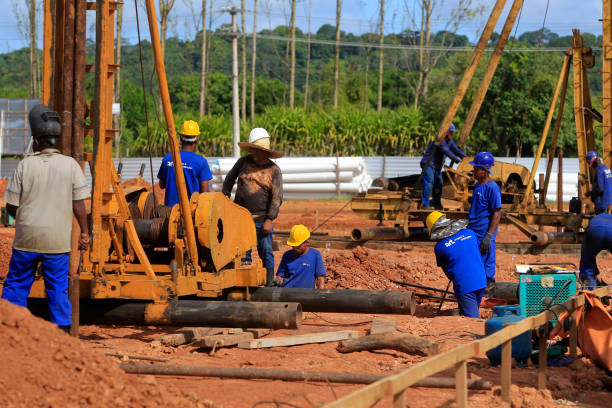
As the construction industry continues to evolve and adapt to new challenges and opportunities, 2024 has proven to be a year marked by significant events that have shaped the landscape of construction globally. From innovative technologies to sustainability initiatives and large-scale projects, the year has been a testament to the resilience and creativity of the construction sector. Let’s delve into some of the top construction events that have defined 2024:
1. Adoption of Advanced Construction Technologies
One of the most notable trends in 2024 has been the widespread adoption of advanced construction technologies. From Building Information Modeling (BIM) to drones, robotics, and 3D printing, these technologies have revolutionized the way buildings and infrastructure are designed, constructed, and managed. Construction companies are increasingly leveraging these tools to streamline processes, improve efficiency, and enhance safety on job sites.
2. Focus on Sustainable Construction Practices
2024 has seen a significant emphasis on sustainability within the construction industry. With growing awareness of climate change and environmental degradation, construction companies are increasingly incorporating green building practices into their projects. This includes using renewable materials, implementing energy-efficient designs, and adopting construction methods that minimize environmental impact. Sustainable construction has become not just a trend but a necessity in the face of global environmental challenges.
3. Mega-Projects and Infrastructure Development
The year 2024 has witnessed the continuation of several mega-projects and infrastructure developments around the world. From high-speed rail networks to urban redevelopment initiatives, these projects are driving economic growth and transforming cityscapes. Examples include the construction of new airports, highways, bridges, and stadiums, which are not only creating jobs but also improving connectivity and quality of life for millions of people.
4. Rise of Modular Construction
Modular construction has emerged as a cost-effective and efficient method of building in 2024. This approach involves constructing building modules off-site in a controlled factory environment and then assembling them on-site. Modular construction offers numerous advantages, including faster project delivery, reduced construction waste, and improved quality control. As demand for affordable housing and commercial spaces continues to rise, modular construction is likely to become even more prevalent in the coming years.
5. Resilience and Adaptation in the Face of Challenges
Despite facing challenges such as supply chain disruptions, labor shortages, and fluctuating material costs, the construction industry has demonstrated resilience and adaptability in 2024. Construction companies have implemented innovative strategies to mitigate these challenges, such as investing in alternative supply chains, upskilling workers, and embracing off-site construction methods. This ability to adapt to changing circumstances has enabled the industry to continue thriving in an uncertain environment.
6. Embrace of Digitalization and Remote Work
The COVID-19 pandemic accelerated the adoption of digital technologies and remote work practices within the construction industry, a trend that has continued into 2024. Virtual collaboration tools, cloud-based project management platforms, and remote monitoring systems have become indispensable for construction companies, enabling them to communicate effectively, track progress, and manage projects remotely. This digital transformation has not only improved efficiency but also enhanced safety by reducing the need for in-person interactions on job sites.
7. Focus on Diversity, Equity, and Inclusion
2024 has seen a growing emphasis on diversity, equity, and inclusion within the construction industry. Recognizing the need for a more diverse and inclusive workforce, construction companies have implemented initiatives to attract and retain talent from underrepresented groups. This includes investing in training and development programs, promoting diversity in hiring practices, and creating inclusive work environments where all employees feel valued and supported. By embracing diversity and inclusion, the construction industry is fostering innovation and driving positive change.
2024 has been a year of innovation, sustainability, and growth for the construction industry. From the adoption of advanced technologies to the embrace of sustainable practices and the completion of mega-projects, the year has been marked by significant developments that have reshaped the future of construction. As we look ahead, it is clear that the construction industry will continue to evolve and adapt to meet the challenges and opportunities of a rapidly changing world. By embracing innovation, sustainability, and diversity, construction companies can build a brighter future for generations to come.