
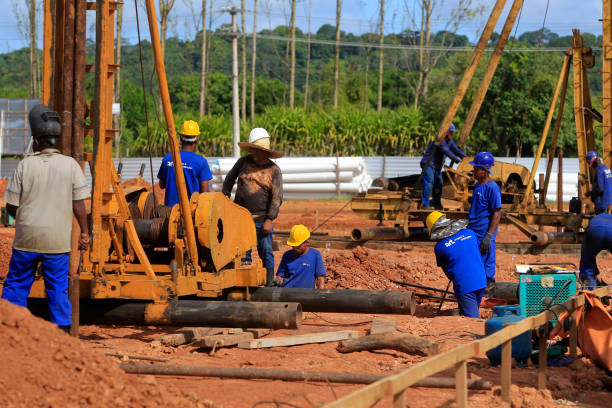
Turkey, a country straddling Europe and Asia, has a tumultuous geological history marked by frequent seismic activity. This reality has necessitated the development of robust strategies for post-earthquake reconstruction. However, amidst the urgency to rebuild, concerns have emerged regarding the prioritization of speed over housing quality. This article delves into Turkey’s push for post-earthquake reconstruction and examines the implications of its emphasis on rapid rebuilding.
The Geopolitical Context
Turkey sits atop several active fault lines, making it prone to earthquakes. The devastating 1999 Izmit earthquake, which claimed over 17,000 lives, served as a grim reminder of the nation’s vulnerability to seismic events. Subsequent earthquakes, including the recent Izmir quake in 2020, reinforced the urgency for effective reconstruction strategies.
The Urgency for Reconstruction
In the aftermath of earthquakes, the immediate focus often revolves around restoring normalcy and providing shelter for displaced individuals. Turkey has been commendably swift in initiating reconstruction efforts, aiming to minimize the disruption caused by these disasters. The government’s commitment to rapid rebuilding is motivated by humanitarian concerns, political imperatives, and economic considerations.
The Speed Imperative
Speed is of the essence in post-earthquake reconstruction. Rapid rebuilding not only addresses the immediate needs of affected communities but also prevents prolonged displacement, social upheaval, and economic stagnation. Consequently, Turkey has adopted expedited processes for approving construction permits, streamlining bureaucratic procedures, and mobilizing resources swiftly.
Challenges in Housing Quality
However, the relentless pursuit of speed has led to compromises in housing quality. In the rush to rebuild, construction standards may be relaxed, oversight mechanisms undermined, and quality control procedures bypassed. This trade-off between speed and quality raises significant concerns regarding the long-term resilience and safety of rebuilt structures.
Erosion of Building Codes
One of the critical issues plaguing Turkey’s post-earthquake reconstruction efforts is the erosion of building codes. Stringent regulations that govern construction practices are often sidelined to expedite the rebuilding process. This lax enforcement of building standards compromises the structural integrity of newly constructed buildings, leaving them susceptible to future seismic events.
Informal Construction Practices
Moreover, the pressure to rebuild quickly has fueled the proliferation of informal construction practices. Informal settlements, characterized by haphazard construction and inadequate infrastructure, often emerge in the aftermath of earthquakes. While these settlements offer immediate shelter, they pose long-term challenges related to safety, sanitation, and access to basic services.
Social and Economic Disparities
The emphasis on rapid reconstruction exacerbates existing social and economic disparities. Vulnerable communities, lacking resources and political influence, are disproportionately affected by substandard housing and inadequate infrastructure. This perpetuates cycles of poverty and marginalization, hindering the long-term recovery and resilience of earthquake-affected regions.
Environmental Considerations
Furthermore, the rush for post-earthquake reconstruction overlooks environmental considerations. Expedited construction processes may lead to increased environmental degradation, including deforestation, habitat destruction, and soil erosion. Neglecting environmental concerns not only compromises ecological sustainability but also exacerbates the vulnerability of communities to future disasters.
The Imperative for Quality Assurance
Addressing the trade-off between speed and quality in post-earthquake reconstruction requires a paradigm shift toward greater emphasis on quality assurance. This entails strengthening building codes, enhancing oversight mechanisms, and investing in robust quality control procedures.
Investment in Resilient Infrastructure
Turkey must prioritize investment in resilient infrastructure that can withstand seismic shocks. This includes retrofitting existing buildings to enhance their earthquake resistance, incorporating innovative engineering solutions, and integrating disaster risk reduction measures into urban planning frameworks.
Community Engagement and Empowerment
Moreover, community engagement and empowerment are integral to ensuring the quality and sustainability of post-earthquake reconstruction efforts. Empowering local communities to actively participate in decision-making processes, advocating for their rights, and fostering grassroots initiatives can enhance the resilience and inclusivity of reconstruction endeavors.
Turkey’s push for post-earthquake reconstruction underscores the imperative of balancing speed with housing quality. While rapid rebuilding is essential for addressing immediate needs, it must not come at the expense of safety, resilience, and sustainability. By prioritizing quality assurance, investing in resilient infrastructure, and fostering community engagement, Turkey can navigate the complex challenges of post-earthquake reconstruction while ensuring the long-term well-being of its citizens.