
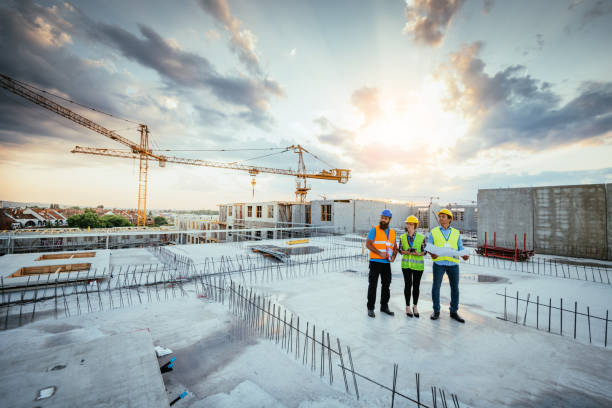
When there is a construction dispute, parties may be at odds and not know what to do next.
Construction disputes are the result of disagreements among parties to a contract. Although these disputes are not considered a breach, they can lead to the termination of a contract or a breach of the contractor’s surety bond. Therefore, parties to a contract must take steps to minimize the likelihood of disputes.
HOW DO CONSTRUCTION POINTS TRANSPIRE?
Before we can discuss ways to resolve construction disputes, it is important to understand the causes of construction disputes. Construction disputes arise from disagreements between parties to a contract. A violation can be either a perceived violation or a confirmed violation of contractual obligations by one party. Construction disputes can be caused by issues with behaviour, contracts and contractual problems.
ISSUES WITH CONTRACTS
The most common forms of contracts list the obligations and risks each party is willing or able to take. These contracts are rigid and cannot be sustained over long periods. This forces parties to enter into contracts under uncertain terms. Uncertainty can lead to changes in the obligations and risks of the parties. The perceived change in risk assignment may lead to disputes.
BEHAVIOR
Contracts do not cover all eventualities. This means that problems can arise in areas the contract does not cover. Parties may seek to benefit from each other when such disputes arise. The facts surrounding the contract may be perceived differently by the parties. Unrealistic expectations can lead to disagreements between the parties. To avoid liability, one party might refuse to fulfil their contractual obligations.
PROJECT UNCERTAINTY
Project uncertainty refers to the difference between the information required and the information available. The project’s complexity, the scope and time required, and the budget will determine the information needed. The planning efficiency, the collection, and the interpretation of information are all factors that affect the information available.
COMMON CONSTRUCTION TYPES
Construction disputes can occur in many ways due to the nature and complexity of construction projects. Here are some common construction disputes that we know of.
CHANGE OF FINISH DATE
We all know the old saying that time is money. This is true for current construction projects. An extension of the project’s finish date can lead to higher costs. Inactive labour and equipment may result in additional fees for contractors. Equipment may be rented even if it is not in use. Unrecoverable costs can also result from the inactivity of supervisors or workers. These changes can pressure contractors and even impact their other projects. This could lead to a significant loss of profit.
DELAYS
If there are delays, the responsible party should send a notice by mail, email, or in writing. Written notices provide clarity and complete information to all project stakeholders. Delays can lead to disputes about who is responsible.
DESIGN
Design errors can lead to extra costs and delays, which can be the result of poor design. Construction can be impacted if there is no plan to release and distribute design information. Contractors may be able to resolve design issues independently, even though the responsibility of design teams could be abrogated. The contractor unknowingly assumes the risk of design failures.
GOALS
Large construction contracts can require a lot of staffing from subcontractors. Each firm may have different goals and commitments, which might be incompatible with the other key players involved in the project. This could lead to disputes, as expected.
QUALITY MATERIALS
Sometimes, disputes can arise due to the quality of materials. The specifications may not be clear and may differ between the parties. The parties may have divergent opinions on whether quality and craft are adequate. This can result in additional contract costs and costly disputes if this is not resolved.
DIFFICULT SUGGESTIONS
Risk management is something that project stakeholders might need to do before the project begins. More often than not, this is not done. Projects can take longer than expected if there is not enough accounting of the possible risks associated with a complex project. Owners are no longer entitled to damages or delays if there are claims.
HOW TO RESOLVE DISPUTE
A project cannot run smoothly from start to finish without a dispute. Contractors tend to be more concerned with price and scope than dispute resolution. It only takes one bad experience to decide to take dispute resolution seriously. As you can see, there are four main ways to resolve disputes arising from contractual construction.