
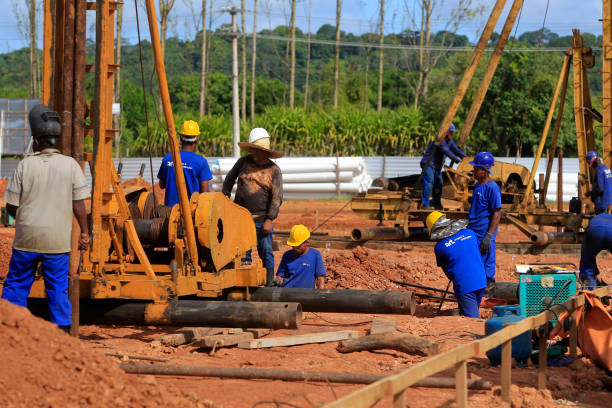
In the dynamic and complex realm of construction, strategic management plays a pivotal role in steering projects toward success amidst various challenges and uncertainties. From planning and resource allocation to risk mitigation and stakeholder engagement, strategic management frameworks provide construction firms with a roadmap to achieve their objectives efficiently and effectively. This article explores the significance of strategic management in construction, key components of strategic planning, and strategies to address industry-specific challenges.
Understanding Strategic Management in Construction
Strategic management in construction involves the formulation and implementation of plans and initiatives to achieve long-term goals while adapting to the evolving landscape of the industry. Unlike other sectors, construction projects are characterized by their unique complexities, including tight deadlines, budget constraints, regulatory requirements, and technological advancements. Consequently, strategic management in construction requires a comprehensive approach that integrates various elements to optimize project outcomes.
Key Components of Strategic Planning
- Vision and Mission Statement: Establishing a clear vision and mission statement provides a guiding framework for construction firms. It articulates the organization’s purpose, values, and long-term aspirations, serving as a foundation for strategic decision-making.
- Environmental Analysis: Conducting a thorough analysis of the external environment, including market trends, regulatory changes, and technological advancements, enables construction firms to identify opportunities and threats. This process involves SWOT (Strengths, Weaknesses, Opportunities, Threats) analysis to inform strategic priorities.
- Setting Objectives and Goals: Defining specific, measurable, achievable, relevant, and time-bound (SMART) objectives is essential for effective strategic planning. These goals serve as benchmarks for monitoring progress and evaluating the success of strategic initiatives.
- Resource Allocation: Allocating resources, including finances, workforce, and equipment, in alignment with strategic priorities is crucial for optimizing efficiency and minimizing waste. Strategic management involves prioritizing investments in areas that offer the highest return on investment (ROI) and strategic alignment.
- Risk Management: Construction projects are inherently exposed to various risks, ranging from safety hazards to cost overruns and delays. Strategic management entails identifying, assessing, and mitigating risks through proactive measures such as contingency planning, insurance coverage, and contractual risk allocation.
- Stakeholder Engagement: Engaging stakeholders, including clients, subcontractors, regulatory agencies, and local communities, fosters collaboration and enhances project outcomes. Strategic management involves building and maintaining positive relationships with stakeholders through effective communication, transparency, and responsiveness.
- Performance Monitoring and Evaluation: Regular monitoring and evaluation of project performance against predetermined objectives are essential for course correction and continuous improvement. Strategic management involves implementing key performance indicators (KPIs) and performance metrics to measure progress and identify areas for optimization.
Strategies to Address Industry-Specific Challenges
- Adoption of Technology: Embracing technological innovations such as Building Information Modeling (BIM), drones, and advanced analytics enhances project efficiency, accuracy, and collaboration. Strategic management involves investing in technology infrastructure and providing training to personnel to leverage the benefits of digitalization.
- Sustainability Initiatives: With growing concerns about environmental impact and resource scarcity, integrating sustainability into construction practices is imperative. Strategic management entails implementing green building techniques, minimizing waste generation, and adopting renewable energy solutions to enhance long-term sustainability.
- Supply Chain Optimization: Efficient supply chain management is critical for timely project delivery and cost control. Strategic management involves partnering with reliable suppliers, implementing lean principles, and optimizing logistics to streamline the procurement process and minimize disruptions.
- Talent Development and Retention: The construction industry faces challenges related to skilled labor shortages and workforce diversity. Strategic management involves investing in talent development programs, promoting diversity and inclusion, and fostering a supportive work culture to attract and retain top talent.
- Regulatory Compliance: Compliance with regulatory requirements, including safety standards, zoning regulations, and environmental laws, is paramount in construction projects. Strategic management entails staying abreast of regulatory changes, maintaining robust compliance frameworks, and integrating sustainability practices into project design and execution.
Strategic management is indispensable for navigating the complexities of the construction industry and maximizing project success. By embracing strategic planning principles and adopting proactive strategies to address industry-specific challenges, construction firms can enhance efficiency, mitigate risks, and achieve sustainable growth. In an increasingly competitive and rapidly evolving environment, strategic management serves as a cornerstone for driving innovation, fostering collaboration, and delivering value to stakeholders in the construction sector.