
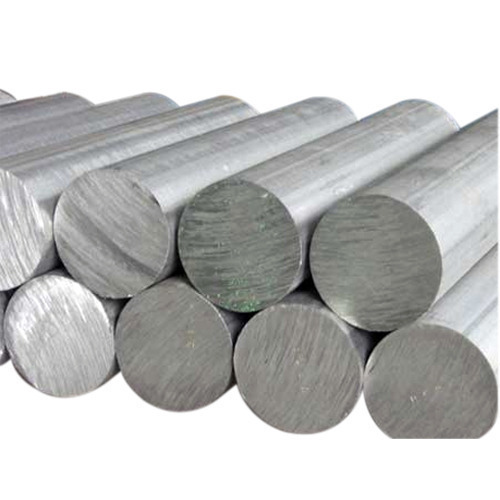
There are some differences between cast material and forging. The main difference between casting and forging is the forging process doesn’t melt the workpiece material to create new shapes. Casting is where metal is melted and poured into a mold to create the desired shape. Forging is forming the metal in a solid form by pressing or hammering it. Each process has its advantages, and depending on cost and requirements for service; one can be used to make a component. Aluminum, and aluminum alloys, are subject to the same metallurgical principles as other metals. This will determine which process is best suited for a particular end-use item.
Cast aluminum
Complex shapes can be produced when metal is melted and cast. The only limitations are the mold-making process and the flow and solidification dynamics. Casting can economically produce parts with internal chambers or external features, which reduces the need for additional metal removal. The downside is the possibility of contamination from metal in liquid form. Impurities formed while the ingots or additives are melting may not be adequately filtered out of the liquid metal before it flows into the mold. The conduits that lead to the mold and the mold itself may also break or flake, allowing liquid in. Complex chambers can be subject to turbulence, which may cause voids or hidden areas of non-fill. Inconsistency in material properties can be caused by alloy segregation when the metal is still in liquid form. When different parts of the casting cool at different rates, cracks or tears can occur.
Forged Aluminum
Forging offers the added benefit of adding deformation energy to refine and improve metallurgy. The original cast aluminum ingots are modified and reshaped using thermomechanical and mechanical deformation energy. This alters the internal microstructure. All alloy and inclusion concentrations are dispersed, and any voids are crushed and eliminated. The microstructure is made stronger and more durable by using forging energy. Castings can produce complex shapes that forgings cannot. Forgings are more expensive than castings because they require additional finishing operations. However, the benefits of forgings outweigh the costs. Safety, reliability, and cost of component failure are the most important challenges.
Forging Aluminum into Alloys
Forging has the advantage of forming alloys from metal and other additives powders. These alloys and matrix materials are made from powders, as the constituent elements can’t be successfully melted or cast. The most effective way to make powders solid is with thermomechanical energy. Forging and other deformation processes transform these materials from a powder state to a more usable, near-net form. This allows for a better economy in the use of more expensive materials. Forging ensures the usability and capability of materials that meet future design challenges.
Forged products are the best choice for components that must have maximum properties and durability, and where weight and mass should be minimal and failures would be costly and catastrophic. While other processes claim “wrought properties”, only the forging method can consistently and reliably supply it.